









Chinese culture does not live only in museums or history books. It can also be experienced through what we wear, read, display, prepare, and share.
For many people outside China, Chinese culture is first encountered through a festival, a restaurant, a film, or a visit to Chinatown. These experiences can be memorable, but they often reveal only a small part of a civilization shaped by thousands of years of literature, craftsmanship, philosophy, food traditions, and aesthetic development.
A deeper cultural connection does not necessarily require international travel. It can begin with an ordinary afternoon at home: preparing tea carefully, reading a classical poem, wearing a garment influenced by traditional design, or placing a piece of calligraphy in a quiet corner.
Here are five accessible ways to bring Chinese culture into everyday life.
1. Slow Down With a Traditional Tea Ritual
Tea is one of the simplest entry points into Chinese culture because it brings together agriculture, hospitality, craftsmanship, and personal reflection.
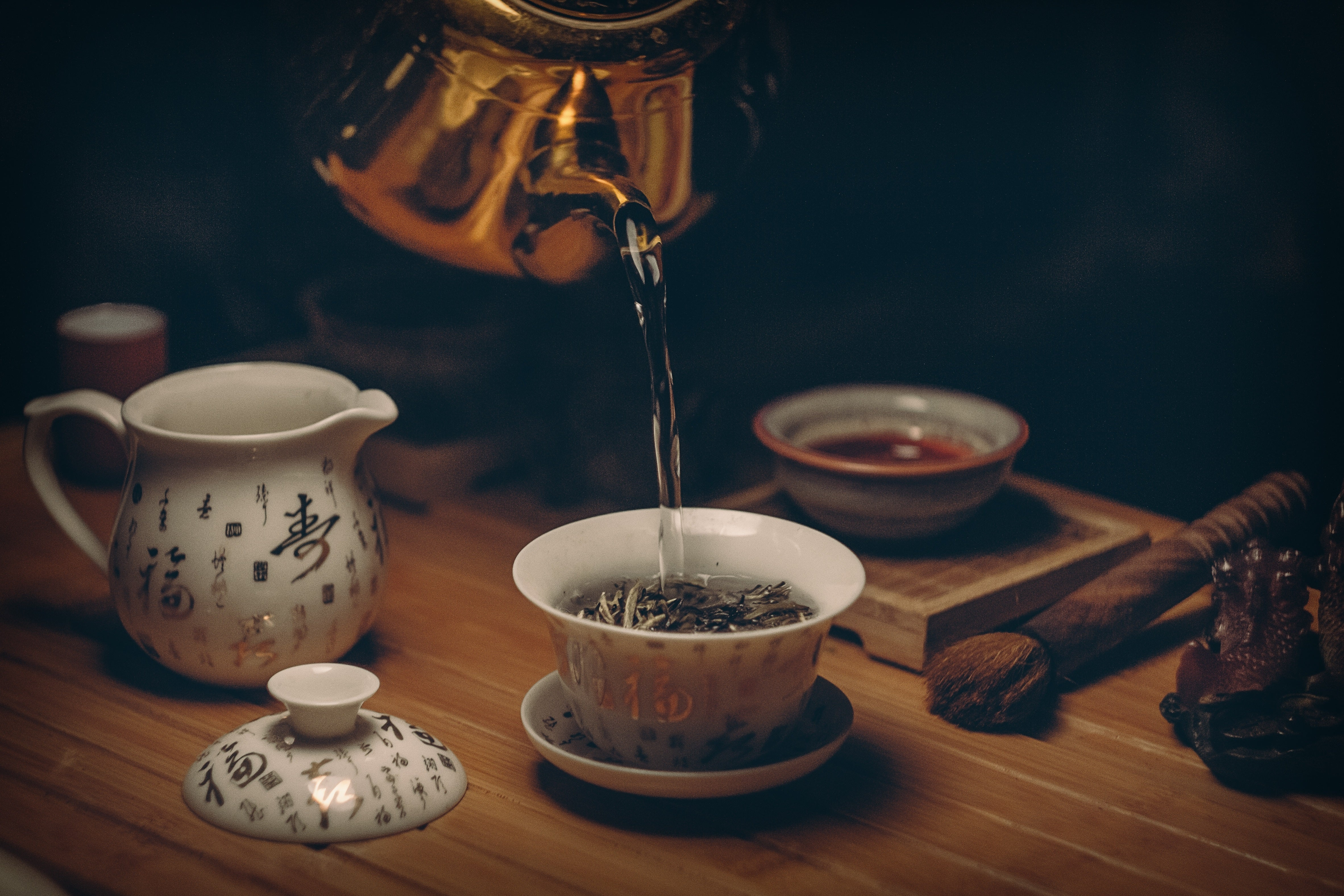
Chinese tea culture is not only about the drink itself. The temperature of the water, the shape of the cup, the aroma released during brewing, and the way tea is shared all contribute to the experience. Preparing tea slowly encourages people to notice details that are often lost in a hurried routine.
A traditional setup does not need to be elaborate. A compact Linglong ceramic Kung Fu tea set with a teapot, gaiwan, and tea cups can create a dedicated space for tea without requiring a large formal tea table.
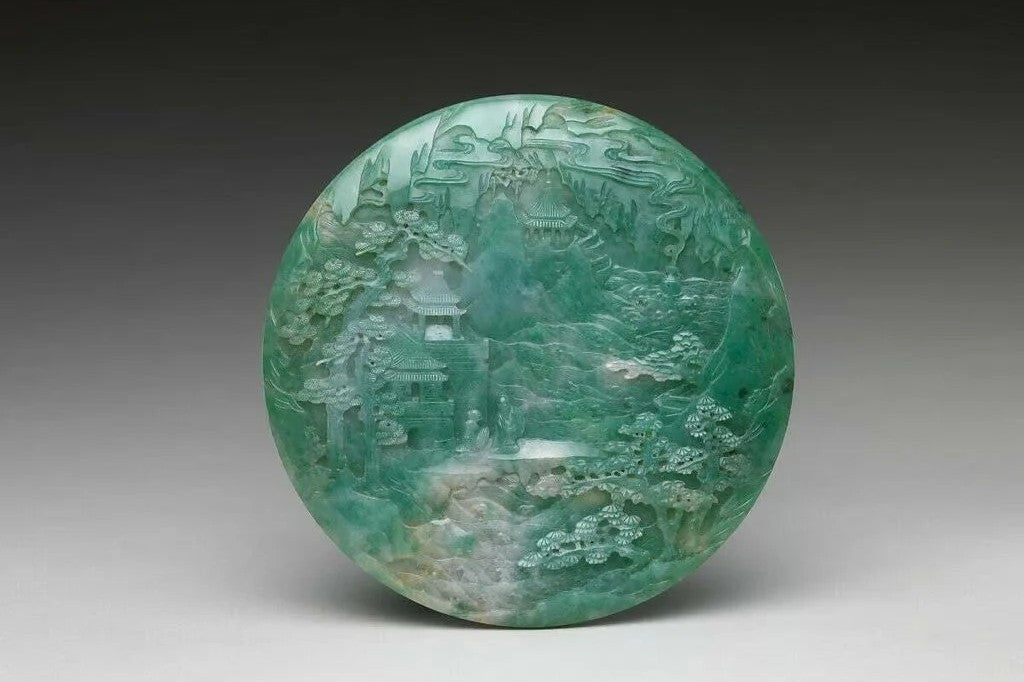
The openwork Linglong design also introduces an important aspect of Chinese decorative arts: beauty is often created through the relationship between solid form and empty space.
The tea itself can become another form of exploration. A selection such as the Wang Jiang Nan Wuyi tea gift set allows drinkers to compare different aromas and styles, including Tie Guan Yin, Da Hong Pao, and Jin Jun Mei.
Instead of treating tea as a beverage to consume quickly, try using it as a reason to pause, talk, read, or simply sit quietly.
2. Read the Literature That Shaped Chinese Thought
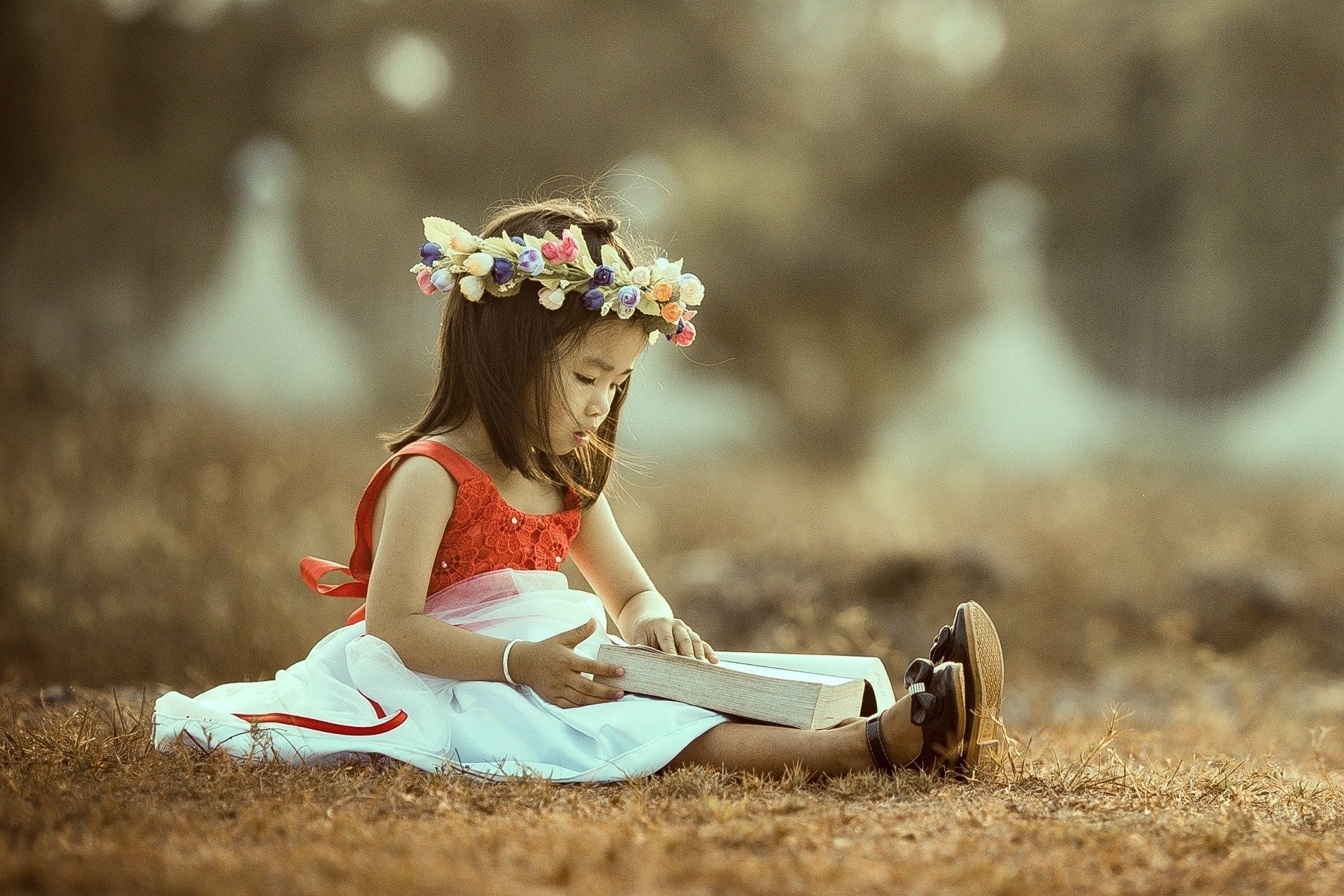
Translation can open a doorway into another civilization, but classical literature offers more than historical information. It reveals how people understood love, work, family, nature, duty, separation, and political life.
One important starting point is the Shijing, commonly translated as The Book of Songs or The Classic of Poetry. Its poems include court hymns, ceremonial works, folk songs, agricultural imagery, and deeply personal expressions of affection and loss.
A complete edition of The Book of Songs can help readers explore one of the foundational collections of Chinese poetry.
You do not need to read it from beginning to end. Choose one poem at a time. Read it slowly, examine its natural imagery, and consider what the poem suggests about the daily lives and emotions of people who lived centuries ago.
For readers interested in how later scholars interpreted Chinese poetry, Wang Guowei’s Words of the World offers another path into traditional literary aesthetics and criticism.
Reading Chinese literature in this way transforms history from a list of dynasties into a record of human experience.
3. Let Calligraphy Change the Atmosphere of a Room
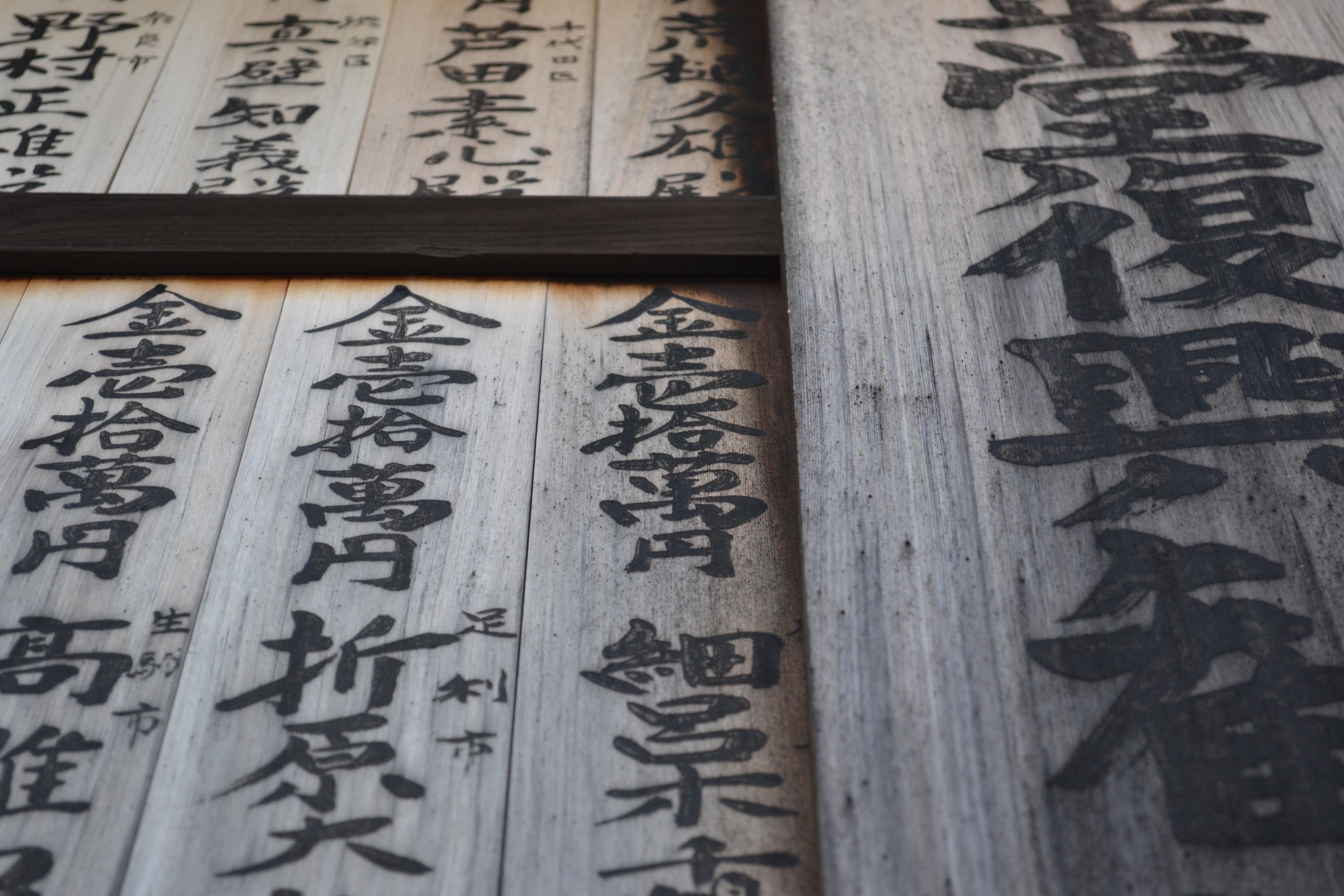
Chinese calligraphy is both a written language and a visual art. The meaning of a phrase matters, but so do the energy, rhythm, pressure, balance, and movement of every stroke.
Even people who cannot read Chinese characters can often sense the contrast between disciplined structure and expressive motion.
Displaying calligraphy at home can therefore be more than decoration. A carefully chosen phrase may serve as a reminder of patience, study, courage, humility, or perseverance.
An inspirational Chinese calligraphy frame about the meaning of reading may work particularly well in a study, library, office, or reading corner.
Before displaying any calligraphy, learn what the characters mean and why the phrase matters. Cultural objects become more meaningful when their stories are understood rather than treated as visual symbols alone.
4. Explore Traditional Design Through Clothing
Clothing is one of the most visible ways that cultural traditions continue to evolve.
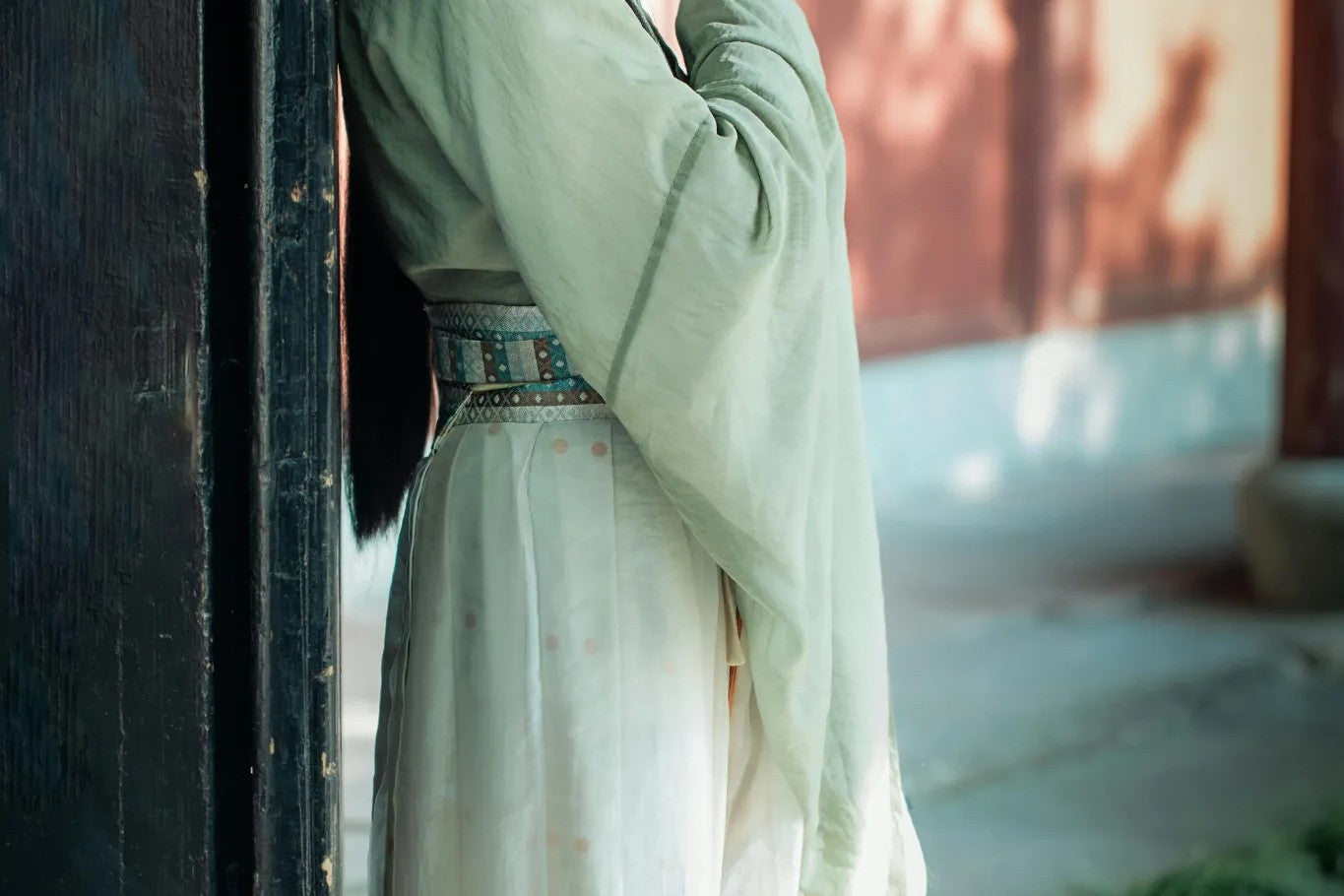
Chinese-inspired fashion today is not limited to historical reenactment. Designers frequently reinterpret traditional collars, wide sleeves, embroidered details, wrap closures, flowing silhouettes, and classical color combinations for contemporary life.
A retro Chinese-style Hanfu-inspired shirt offers one example of how traditional visual elements can be adapted into a more casual modern wardrobe.
When wearing culturally influenced clothing, context matters. It is helpful to understand whether a garment is a historical reproduction, a performance costume, or a modern design inspired by traditional clothing.
That distinction does not make one style better than another. It simply helps the wearer appreciate what the garment represents.
Clothing can become a respectful form of cultural curiosity when it is approached with knowledge rather than reduced to a costume.
5. Share Culture Through Food and Gift-Giving
Food is often the most immediate way to create a cultural connection because it brings people together.
Chinese food traditions are closely linked with geography, seasonality, family gatherings, festivals, and symbolic meanings. The shape, color, name, and ingredients of a dish may all communicate a wish for happiness, prosperity, longevity, reunion, or good fortune.
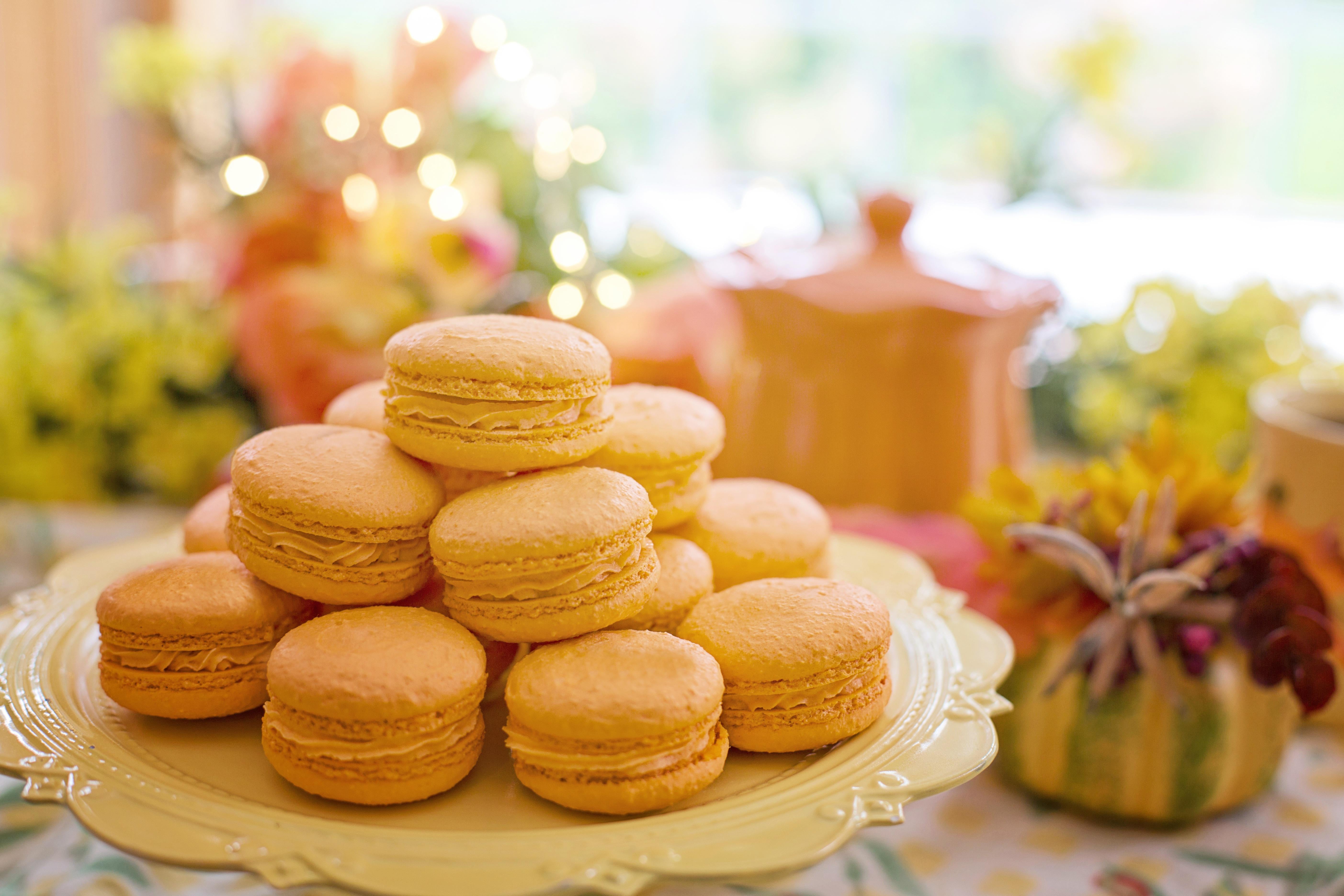
A gift such as a Chinese assorted pastry set featuring lotus flower, egg yolk, rainbow, butterfly, and tea pastries can become the beginning of a conversation about regional baking traditions and the symbolic role of food during celebrations.
Rather than simply opening the box, serve the pastries with tea and learn something about their names, shapes, and ingredients. Ask guests which flavors they recognize and which are new to them.
A shared tasting becomes more memorable when people understand the cultural background of what they are eating.
Cultural Appreciation Begins With Attention
No single product can represent the full complexity of Chinese civilization.
A tea set cannot explain every tea tradition. A framed phrase cannot contain the entire history of calligraphy. A piece of clothing cannot represent every dynasty, region, or community. A book cannot provide a complete understanding of Chinese thought.
But each object can become a starting point.
The difference between simple consumption and meaningful cultural appreciation lies in attention: learning where something comes from, understanding how it has been used, respecting the people who created it, and recognizing the traditions behind its design.
Chinese culture is not a collection of decorative symbols frozen in the past. It is a living and continually changing conversation between history and modern life.
Sometimes, joining that conversation begins with something as simple as pouring a cup of tea and taking the time to notice.
This article contains links to products available from Dragon Goods. Product availability, specifications, pricing, and shipping eligibility may change. Readers should review the applicable product information and store policies before purchasing.